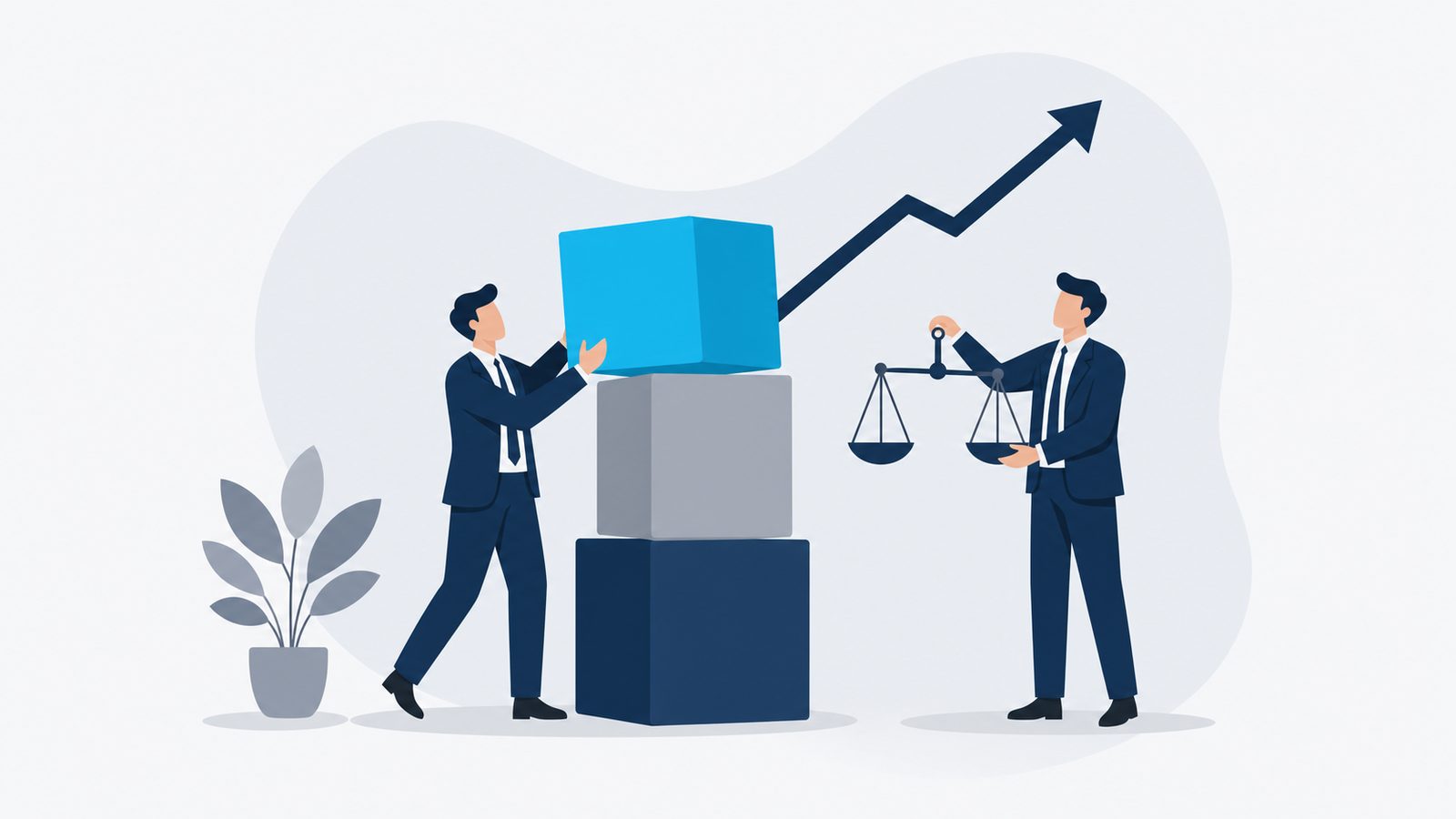
Sustainable success depends on the alignment of capability, ability, and capacity. Together, these three elements form a dynamic framework that fuels personal and organizational achievement. Understanding how they function—and how they reinforce one another—helps leaders and professionals maintain performance, foster resilience, and adapt to ongoing change.
Capability: Unlocking Future Potential
Capability refers to untapped potential—skills, knowledge, and strengths that can be developed under the right conditions. For individuals, this might include talents not yet fully realized, like a junior analyst’s emerging leadership ability. For organizations, capability can be innovations or expertise not yet fully leveraged.
It is aspirational and future-oriented. Unlocking capability requires investment in development—through training, mentorship, and a culture of continuous learning. Those who cultivate capability position themselves to meet tomorrow’s challenges and opportunities.
Ability: Mastery in the Present
Ability is about what you or your organization can do right now. It reflects current skills, experience, and execution. Built through repetition, feedback, and refinement, ability produces reliable, high-quality results.
Performance metrics reveal the strength of ability. But even strong ability can falter if not paired with growth (capability) or supported by resources (capacity). Without development, ability becomes outdated. Without capacity, even the most skilled teams can burn out.
Capacity: Sustaining Performance Over Time
Capacity is the resource foundation that supports and sustains ability. It includes time, energy, systems, and infrastructure—everything required to maintain execution without compromise. It can be broken down into three dimensions:
Load – How much work can be handled at once without burnout or decline in quality.
Scale – How well systems and teams can grow with increasing demand.
Scope – How many different types of work can be done simultaneously.
For individuals, capacity means managing time, focus, and energy (load), scaling up responsibility as careers progress (scale), and being able to perform across different areas (scope). For organizations, it includes staffing, funding, systems, and processes that flex with growth and diversification.
Managing all three dimensions ensures resilience. Respecting load prevents overload. Scaling requires automation, delegation, or added talent. Broadening scope demands adaptability, cross-training, and knowledge sharing.
Aligning the Three Elements
Capability fuels future growth. Ability drives current performance. Capacity sustains both through support, bandwidth, and adaptability.
Success falters when one of these is ignored. Hiring talented employees (high ability) without investing in development (capability) or overloading them (capacity) leads to stagnation or burnout. Focusing on growth without present execution wastes potential.
Achieving alignment involves three ongoing actions:
Develop Capability – Prepare for the future through continuous learning and innovation.
Leverage Ability – Apply existing strengths to deliver results today.
Manage Capacity – Balance load, scale processes, and broaden scope to maintain sustainable performance.
When aligned, the three create a self-reinforcing loop: current abilities deliver results that develop future capability, all sustained by robust capacity.
Real-World Applications
Professional Development: Use the framework to identify growth areas. Training converts capability into ability. Monitoring load, scale, and scope avoids burnout.
Leadership: Great leaders coach to build capability, delegate work that matches ability, and protect team capacity by managing workload and resourcing growth.
Team Management: Assess your team’s collective capability, ability, and capacity. Allocate projects to avoid overload, encourage learning, and build scalable workflows.
Organizational Design: Embed the framework into strategy. Grow capability through R&D and talent development. Sharpen ability through process excellence. Expand capacity with scalable systems, automation, and flexible structures. Organizations that align all three adapt faster, execute better, and grow sustainably.
Building the Foundation for Enduring Success
Capability, ability, and capacity are the foundations of sustainable performance. Each plays a distinct role:
Capability: unrealized potential waiting to be developed
Ability: present-day execution and expertise
Capacity: the support system that makes performance sustainable
Gaps in any area demand attention. Overlooking one weakens the whole. But when all three are managed well, growth becomes a continuous journey—where potential is unlocked, results are delivered, and success is built to last.
About Anker Bioss
Anker Bioss is a global leadership consulting firm specializing in unlocking human potential through talent assessment, organizational design, and strategic leadership development. By integrating advanced diagnostics, including personality assessments and capability evaluations, Anker Bioss helps organizations align people with purpose, navigate complexity, and build resilient systems for sustainable growth.